
Gas Turbine Efficiency: What Drives It and How to Improve It
Gas turbines are some of the hardest-working machines in power plants and refineries. Because they sit at the center of so many power generation cycles, even a small gain in efficiency matters: less fuel burned, lower emissions, and a lower cost for every kilowatt-hour produced.
In this guide, we’ll walk through how gas turbines work, what affects their efficiency, and what you can do to get more out of them.
What Is a Gas Turbine?
A gas turbine is a rotating internal combustion engine and a member of the turbomachinery family. Most people know it as the jet engine on an aircraft, but the same technology powers a huge share of the world’s industrial equipment.
Every gas turbine has three main parts:
- A compressor that squeezes incoming air.
- A combustion chamber where fuel mixes with that air and burns.
- A turbine that turns the energy of the hot, high-pressure gas into mechanical work.
Part of that work keeps the compressor running. What’s left depends on the application. It can spin an electric generator (a turbogenerator), produce thrust in a turbofan or turbojet, or deliver shaft power in a turboprop or turboshaft.
Why Gas Turbine Performance Deserves Close Attention
Gas moves through a turbine at extreme speed and temperature, so the machine is very sensitive to small changes in operating conditions. That’s why research centers around the world keep studying how to run gas turbines at their best.
Careful performance evaluation pays off in three ways: lower fuel consumption, longer component life, and fewer emissions.
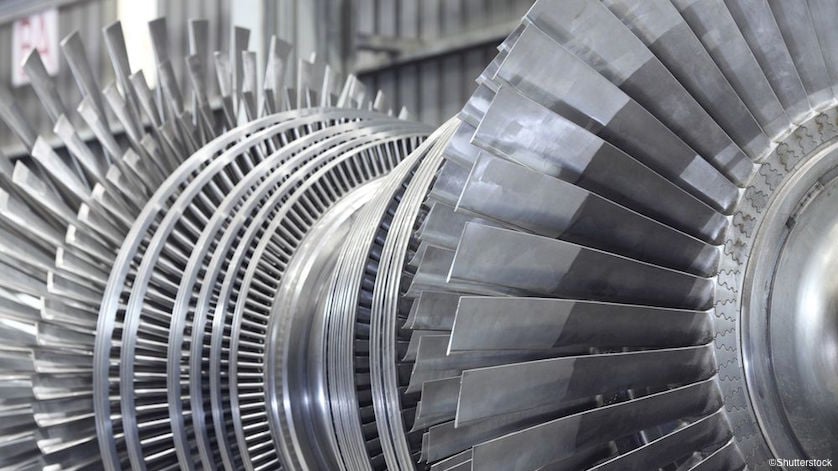
Gas Turbine Efficiency
Factors That Affect Gas Turbine Efficiency
1. Compressor and turbine design. The efficiency of each compressor and turbine stage feeds directly into overall performance. Modern turbines use more stages and higher pressure ratios to squeeze out extra efficiency.
2. The combustion process. The more completely the fuel burns, the more energy you convert into useful work.
3. Temperature and pressure ratios. Efficiency generally improves with a higher turbine inlet temperature and a well-optimized pressure ratio.
4. Environmental conditions. On hot days, the compressor has to work harder to compress thinner, warmer air, and output and efficiency both drop.
5. Component condition. Fouled compressor blades, worn seals, and eroded blades quietly eat into performance long before anything fails.
Combined Cycle Gas Turbines (CCGT)
Combined cycle plants use both a gas turbine and a steam turbine, and that two-stage approach makes them noticeably more efficient than either technology alone. Modern large plants can pass 60% efficiency, while a simple-cycle gas turbine typically lands well below that.
Here’s how it works:
- Gas turbine cycle. Natural gas burns in the turbine, and the hot gases drive it to produce electricity. (How Gas Turbine Power Plants Work – U.S. Department of Energy)
- Heat recovery. Instead of venting the hot exhaust, the plant sends it through a heat recovery steam generator (HRSG), which uses that heat to turn water into steam. (Heat Recovery Steam Generators – Mitsubishi Power)
- Steam turbine cycle. High-pressure steam from the HRSG drives a steam turbine for extra electricity. (Combined Cycle Power Plant – GE Vernova)
The result is more power from the same fuel.

Upgrading Existing Power Plants with Gas Turbines
Many fossil-fuel steam power plants are being optimized to produce more power. There are several ways to raise the efficiency of an existing plant with gas turbines, and the best choice depends on two things: the plant’s size and technical condition, and the economics, meaning profitability and return on investment.
Solar Turbines: Mars and Taurus
Solar Turbines has been a major name in industrial power generation for decades, designing and building durable, innovative equipment for oil and natural gas production. Its Mars and Taurus gas turbines are used widely across the industry.
Its services cover the full life of a turbine:
- Genuine turbine parts
- Gas turbine overhaul and field service
- Flexible service agreements
- Digital solutions and technical training
- Remote web-based monitoring and predictive diagnostics
Learn more about our gas turbine services.
Using Solar Energy to Improve Gas Turbine Performance
This is a different idea from Solar Turbines the company. Iran has abundant sunshine, which gives it real potential for solar power. Solar-assisted gas turbines have attracted growing attention from researchers in recent years.
Feeding solar radiation energy into a conventional system such as a gas turbine can cut fuel consumption and environmental pollution, and it can improve the performance of the cycle as well.
Rotor Overhaul with Kian Turbo Tec
For owners and operators, Kian Turbo Tec is a competitive alternative for rotor overhaul. You get dedicated rotor overhaul engineers who give practical advice backed by real commercial operating experience, plus an ex-stock supply of the components and rotating parts you need. See our gas turbine overhaul service.
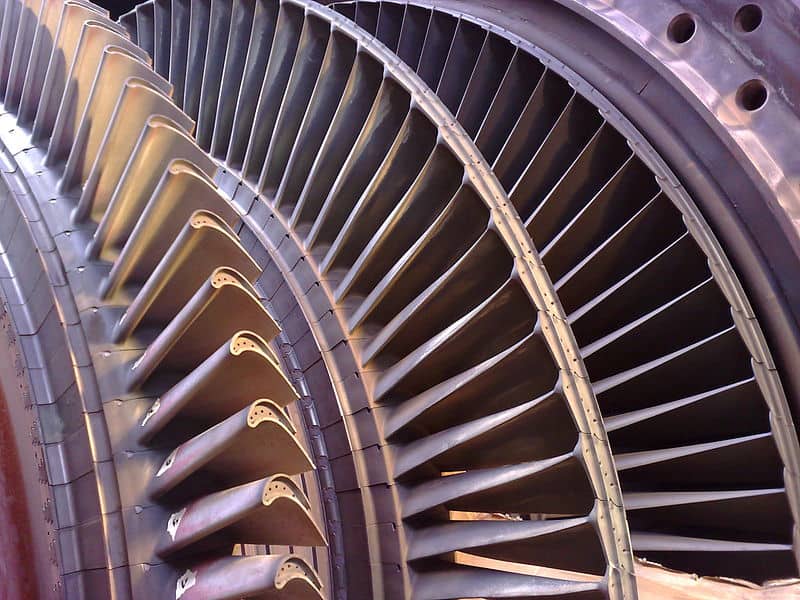
Challenges in Increasing Gas Turbine Efficiency
- Thermodynamic limits. Gas turbines follow the Brayton cycle, and the laws of thermodynamics cap how efficient that cycle can ever be.
- Material limitations. Higher temperatures mean better efficiency, but they also demand advanced materials. Current alloys can degrade under extreme thermal loads.
- Cooling technology. Blades and other hot components need effective cooling to stay intact. Developing cooling methods that are efficient, lightweight, and advanced is a serious engineering challenge.
- Combustion efficiency. Burning fuel completely while keeping emissions low is hard, and combustion instabilities can lower efficiency and raise pollutants.
Practical Ways to Improve Gas Turbine Efficiency
- Cool the inlet air on hot days to recover lost output.
- Wash the compressor regularly to remove fouling.
- Overhaul on schedule and restore worn seals, blades, and rotors before they cost you performance.
- Recover exhaust heat with an HRSG or cogeneration setup.
- Monitor performance continuously so drops in efficiency show up early. Remote monitoring and predictive diagnostics make this much easier.
Frequently Asked Questions
What is a good efficiency for a gas turbine?
It depends on the type. Simple-cycle units are much less efficient than combined cycle plants, and modern large combined cycle plants can exceed 60%.
Why does gas turbine efficiency drop in hot weather?
Hot air is less dense, so the compressor uses more energy to compress it. That reduces both power output and efficiency.
How does a combined cycle plant improve efficiency?
It captures the hot exhaust, uses it to make steam in an HRSG, and runs a steam turbine for extra electricity.
How often should a gas turbine be overhauled?
It depends on the model, operating hours, and duty. Follow the manufacturer’s guidance and let condition monitoring tell you when to act.
Conclusion
Higher gas turbine efficiency comes down to good design, complete combustion, the right temperatures and pressure ratios, and disciplined maintenance. Whether you’re optimizing an existing plant or planning a rotor overhaul, the right partner makes a real difference. Contact Kian Turbo Tec to talk through your turbine.